Many care providers talk about quality and consistency.
AshDHD Learning exists because those qualities are often the hardest to sustain in practice.
Our story begins inside the care system, moves through frontline leadership and leads to the creation of frameworks designed to support consistency without relying on individual resilience.
Understanding Care from the Inside
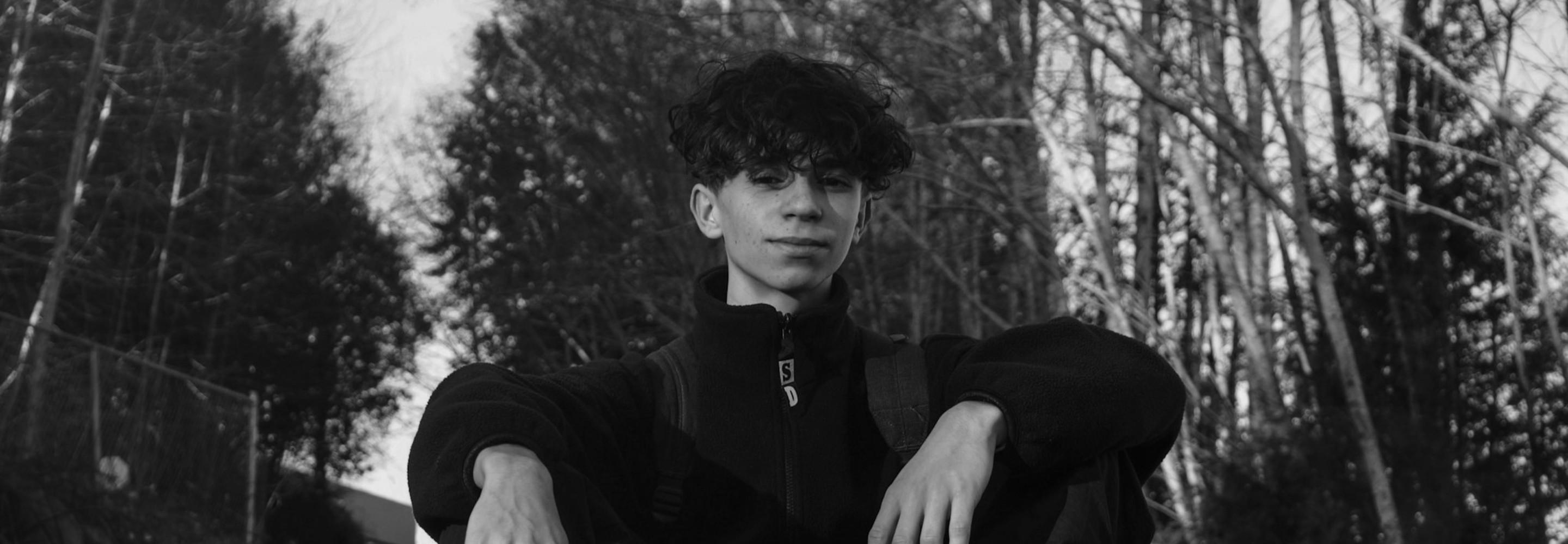
AshDHD Learning was shaped by direct experience of the care system not only from a professional perspective but from lived experience as a young person in care.
This perspective revealed a recurring problem:
care environments driven by good intentions but held back by inconsistency, burnout and a lack of shared structure.
Moments of safety and connection did happen but they were often dependent on individual staff rather than reliable systems.
From Frontline Practice to Framework Design
Years later that same pattern was visible from the other side.
Through frontline work and leadership roles within supported accommodation and residential care settings the challenges remained consistent:
- Training that didn't translate into daily practice
- High staff turnover and uneven confidence
- Difficulty maintaining consistency across shifts
- Neurodivergent needs misunderstood or overlooked
It became clear that the missing element was not motivation or compassion, it was structure.
Why the Frameworks Were Created
AshDHD Learning was founded to build the frameworks that were missing.
The SPARK Care™ Framework and SWIFT+R™ Crisis Model were designed to provide:
- Clear, repeatable guidance for everyday practice
- Predictable responses during high-stress moments
- Shared language across staff teams
- Neurodivergent-informed approaches that reduce demand and escalation
These frameworks are evidence-informed, but grounded in real care environments. Designed to be used, not just understood.
A Focus on Sustainable Practice
AshDHD Learning does not exist to add another layer of training.
It exists to support care environments where:
- Consistency is built into systems
- Staff are supported by structure, not expectation
- Compassion is translated into action
- Quality does not depend on who is on shift
Our focus is on supported accommodation and semi-independent services working with young people aged 16 to 25, where these challenges are particularly pronounced.
Looking Ahead
AshDHD Learning continues to develop frameworks and tools that support clarity, dignity and emotional safety across supported accommodation settings.
SPARK Care™ Foundations is now live and founding member pricing is available at £199 per home per month for the first 20 organisations only. The story is ongoing but the purpose remains the same.
Where Compassion Meets Action.


